Pre-Sale Renovation Financing for Bay Area Sellers
April 16, 2026
April 16, 2026
If you want to sell in the Bay Area, the biggest challenge may not be whether your home will attract buyers. It may be whether you can get it market-ready without paying for updates upfront. That is exactly where pre-sale renovation financing can help, especially if you want to improve presentation, reduce seller stress, and protect your timeline. Let’s dive in.
Pre-sale renovation financing is a seller-focused option that lets you complete certain home improvements before listing, then repay the cost from your sale proceeds at closing. In simple terms, you do not write a large check upfront for the work.
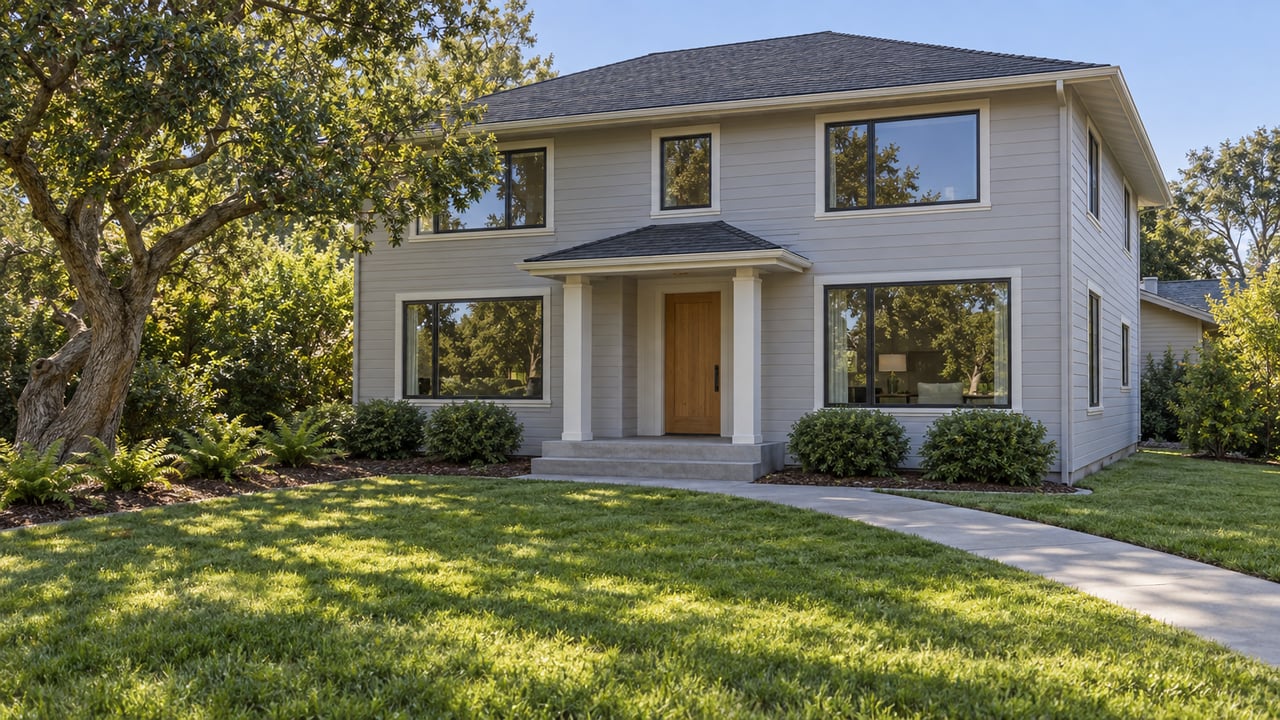
These programs are usually designed for homes that need a refresh to show better online and in person. In the Bay Area, that often means paint, flooring, staging, cosmetic kitchen or bath updates, landscaping, and targeted repairs that help remove buyer objections.
This is best understood as an equity-bridging tool, not an open-ended construction loan. The basic idea is to use the value already tied up in your home to make smart pre-sale improvements without draining savings or opening a traditional renovation loan.
In high-value markets, even modest updates can have an outsized impact on how buyers respond to a listing. According to Redfin’s San Francisco housing market data, February 2026 median sale prices were about $1.5M in San Francisco, $1.8M in Redwood City, and $1.275M in South San Francisco, with homes generally selling in about two weeks.
That speed matters. When buyers are making quick decisions, presentation and condition can influence whether your home gets strong early interest or sits long enough to invite price reductions.
The broader regional picture supports that point. The California Association of Realtors February 2026 report showed the San Francisco Bay Area median existing single-family price at $1.285M, with regional sales up 4.0% year over year and prices up 2.8%.
In other words, many Bay Area sellers have substantial equity, but not everyone wants to pull cash from savings just to paint, stage, and prep a home for market. Pre-sale financing can remove that friction.
While each provider has its own rules, the structure is often similar. First, you and your real estate team identify which updates are most likely to improve marketability. Then the project is scoped, budgeted, completed, and repaid from the sale proceeds once the transaction closes.
Most programs screen for one main thing: whether you have enough equity or expected net proceeds to cover the work at closing. That is why these options are often a good fit for sellers who are equity-rich but cash-conscious.
At NEXTGEN Properties, this kind of planning is most effective when it starts with strategy, not guesswork. The goal is not to renovate for the sake of renovating. The goal is to focus on updates that help your home show cleaner, brighter, and more move-in ready for your likely buyer pool.
Not every home needs a major remodel before sale. In fact, many of the most practical pre-sale projects are smaller, cosmetic, and fast-moving.
The National Association of Realtors 2025 Remodeling Impact Report found that REALTORS most often recommend sellers paint the entire home, paint one room, or replace the roof. The same report also noted increased demand for kitchen upgrades, new roofing, and bathroom renovations.
For Bay Area sellers, the most defensible value-add projects often include:
These are often the projects that help buyers focus on the home itself instead of the to-do list. That matters because the same NAR report found that 46% of buyers are less willing to compromise on a home’s condition.
First impressions are still doing a lot of work in today’s market. Online photos, showing flow, and visible condition can all shape buyer confidence before anyone writes an offer.
According to the NAR 2025 Profile of Home Staging, 29% of sellers’ agents said staging led to a 1% to 10% increase in the dollar value offered, while 49% said staging reduced time on market.
That same report found the most commonly staged spaces were the living room, primary bedroom, dining room, and kitchen. Those are also the rooms buyers tend to focus on most in listing photos and early walkthroughs.
For many Bay Area homes, that means a light refresh plus thoughtful staging may do more for marketability than a full, disruptive renovation. The right scope depends on your home, your timeline, and your likely return.
The appeal of these programs is simple: you generally do not pay upfront. Instead, repayment is typically made from the final sale proceeds.
Even so, terms can vary. Some programs may require repayment at closing, while others may also trigger repayment if the listing ends or a certain amount of time passes. Depending on the provider and program structure, fees, underwriting requirements, or other conditions may apply.
That is why it is important to evaluate more than just the headline promise of no money upfront. You also want to understand:
A clear review of these details can help you compare options based on your actual selling plan, not just marketing language.
This type of financing can be powerful, but it helps to approach it with realistic expectations. It can improve presentation, reduce buyer friction, and sometimes support stronger offers or a faster sale.
What it does not do is guarantee profit. Even provider materials and industry research point to a range of outcomes rather than a universal price bump.
That is especially important in a fast Bay Area market. Redfin reports that homes in San Francisco averaged 4 offers, Redwood City averaged 5 offers, and South San Francisco averaged 2 offers, with median days on market around 13 to 15 days in February 2026. In a market like this, the benefit of a financed refresh is often better presentation, broader buyer appeal, and less need for price reductions, rather than a guaranteed oversized premium.
The best candidates for pre-sale renovation financing are usually sellers who want to improve the home before listing but would prefer not to use savings, credit cards, or a traditional loan. That can be especially helpful if you are coordinating a move, buying your next home, or managing an inherited or long-held property.
You may want to explore it if:
It may be less attractive if the scope is too large, the timeline is uncertain, or the likely return does not justify the disruption. In those cases, a lighter prep plan or as-is sale strategy may make more sense.
A common mistake is assuming more renovation automatically means more profit. In reality, the smartest pre-sale plan is often the one that targets the few improvements most likely to matter to buyers in your price point and micro-market.
That is where local guidance matters. A condo in San Francisco may need a different prep strategy than a single-family home in Daly City, Burlingame, or San Bruno. The right scope depends on buyer expectations, visible condition, likely competition, and how quickly you want to launch.
At NEXTGEN, the focus is on combining design-forward presentation with market data so you can make practical decisions. Sometimes that means a simple paint-and-stage plan. Sometimes it means a more involved pre-sale refresh. The point is to choose the work that supports your sale goals and your long-term financial outcome.
If you are considering selling, pre-sale renovation financing can be a smart way to remove one of the most common barriers to a strong listing launch: upfront cost. In a high-value, fast-moving market like San Francisco and the northern Peninsula, even modest updates can help your home feel more competitive from day one.
The key is to start with a clear strategy, a realistic scope, and a repayment structure you fully understand. If you want help evaluating whether financed pre-sale improvements make sense for your property, book a complimentary home strategy session with Next Gen Properties.
Stay up to date on the latest real estate trends.