Thinking about moving to San Francisco’s Mission but not sure which part fits your life? You are not alone. The Mission isn’t one single vibe. The Inner Mission, Outer Mission, and Mission Terrace each offer a different pace, housing mix, and commute experience. In this guide, you will compare daily life across these areas and learn how to choose the right fit for your goals. Let’s dive in.
Inner, Outer, and Terrace at a glance
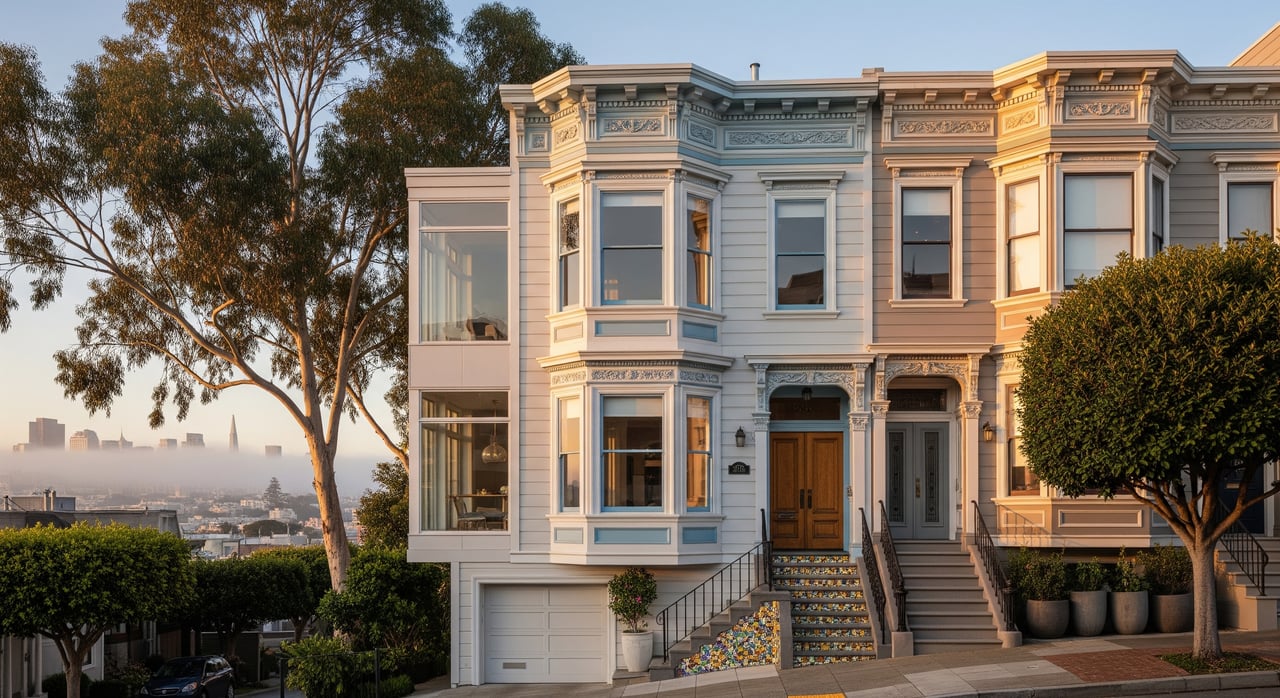
Inner Mission (central Mission District). This is what most people mean by “the Mission.” It centers on Mission Street, Valencia Street, and 24th Street. You will find busy sidewalks, a deep food scene, and strong arts and nightlife. Buildings are mostly older low-rise flats and smaller apartment buildings. Parking is tighter, but transit, bikes, and walkability shine.
Outer Mission. South of the central Mission, near Geneva Avenue and the Balboa Park transit hub, this area feels more residential. Commercial strips are quieter and more local. There are more single-family homes, more on-street parking, and easier highway access. Nightlife is limited, but daily conveniences are close.
Mission Terrace. Just west of the Outer Mission on a modest hill, Mission Terrace is mostly residential with single-family homes and small multifamily buildings. Some blocks sit on slopes with potential views. Streets are calm in the evenings, and you are close to Balboa Park BART and I-280.
Note on boundaries: neighborhood names in San Francisco are informal at the block level. If you need exact civic boundaries for planning or data, consult the City’s Planning Department neighborhood map.
Housing types and what to expect
Inner Mission housing
- Low-rise multifamily is common: Edwardian and Victorian flats, 2–4-unit buildings, and small walk-ups.
- Many units are studios to 2-bedrooms, often with limited on-site parking.
- Newer mixed-use condo conversions exist closer to Valencia and along key corridors.
Outer Mission housing
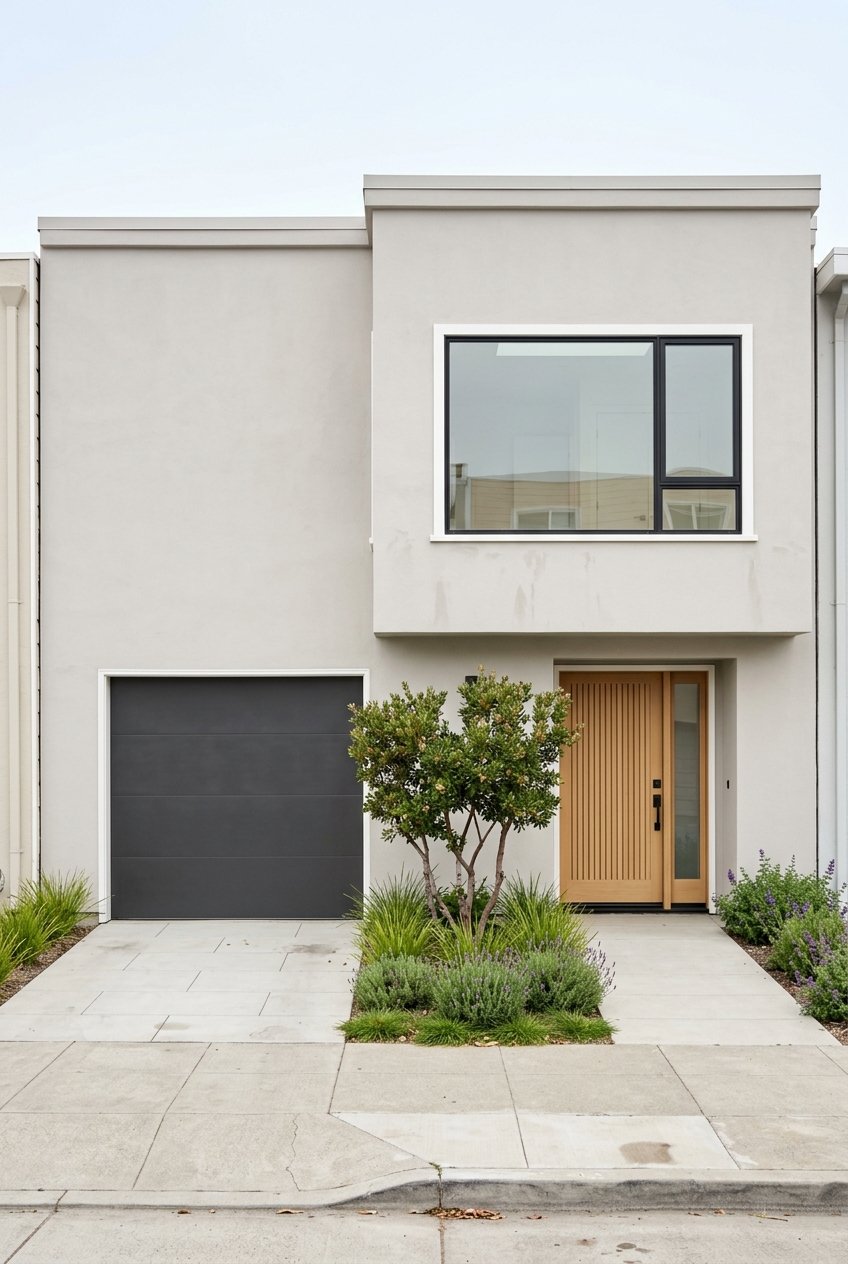
- More single-family homes and mid-century apartments near transit and corridors.
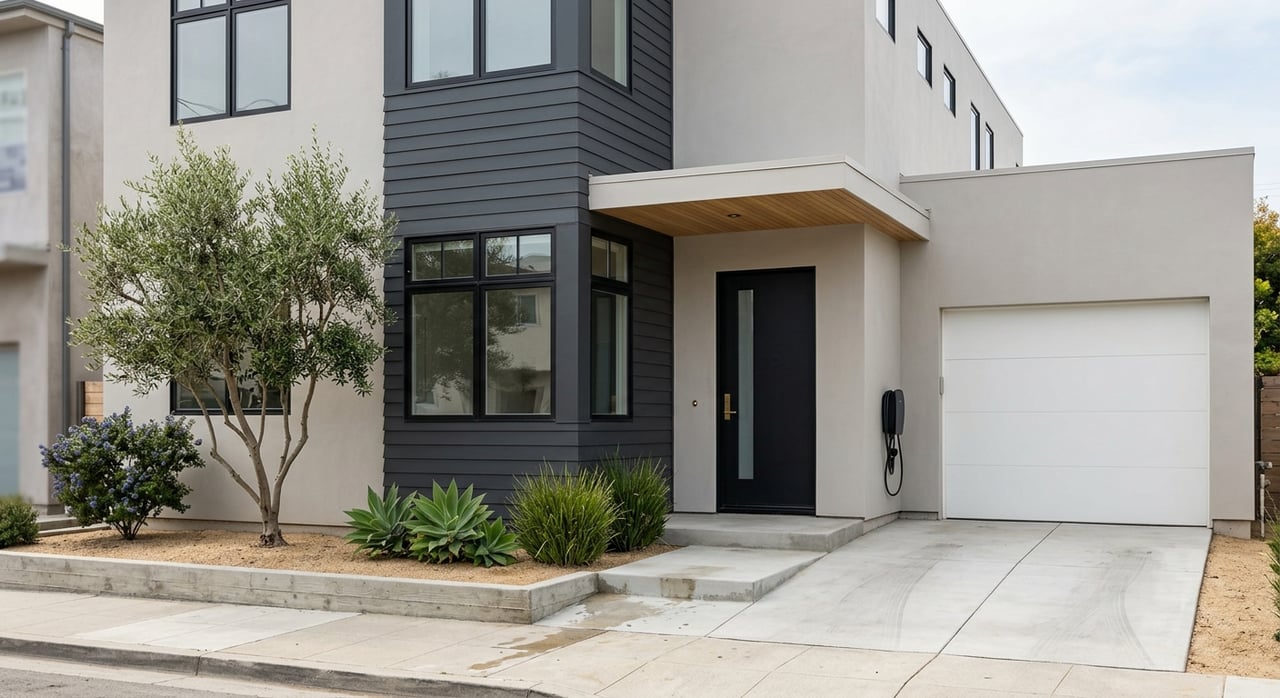
- 1920s–1950s bungalows and modest detached houses are typical.
- Yards and on-street parking are more common than in the Inner Mission.
Mission Terrace housing
- Primarily single-family homes with some small multifamily buildings.
- Mid-century construction is present, and some properties on slopes may offer views.
Price and budget context
Market prices in San Francisco move quickly. As a rule of thumb, the Inner Mission tends to command higher per-square-foot pricing for condos and flats, while detached homes in the Outer Mission and Mission Terrace often trade at relatively lower prices per sale compared with central neighborhoods closer to downtown. Rents generally run higher in the central Mission and lower on average farther south. For current figures, review the latest SFAR market reports and run a live MLS search to match your budget.
- For updated market trends across San Francisco, see the San Francisco Association of Realtors’ SFAR market reports.
Street life, food, and culture
Dining and nightlife
- Valencia Street is known for cafes, bike lanes, boutiques, and a strong bar and restaurant scene. Expect lively evenings and weekend brunch crowds.
- Mission Street and 24th Street serve as everyday shopping spines with taquerias, bakeries, bodegas, and full-service restaurants.
- Outer Mission and Mission Terrace have more neighborhood-scale dining and services. These areas are less of a citywide nightlife destination and feel calmer after dark.
Arts, murals, and public places
- The Mission’s mural culture is iconic. Balmy Alley and Clarion Alley in the Inner Mission are notable examples of long-running street art corridors.
- Dolores Park and Precita Park are key public spaces for gathering, views, and recreation. Schedules for events and programs are posted by SF Recreation & Parks.
Daily conveniences
- Groceries range from small markets and specialty stores in the central Mission to larger supermarkets closer to the Outer Mission.
- Expect more late-night energy on blocks with bars and venues in the Inner Mission. The Outer Mission and Mission Terrace are typically quieter at night.
- Parking and delivery access are tighter in denser Inner Mission blocks and easier as you move south.
Transit, commuting, and mobility
BART and regional rail
Surface transit and bikes
- The 14 Mission bus runs along Mission Street and is a backbone corridor through the district. Verify current route maps and frequencies on the SFMTA 14 Mission route page.
- Valencia Street is a major cycling route into downtown, with protected bike elements on key segments.
- Bike and scooter share programs are widely used.
Driving and parking
- The Outer Mission and Mission Terrace offer easier access to I-280 and US-101 than the dense Inner Mission.
- Many Inner Mission households are car-free or own one car due to parking limits. Farther south, households tend to have higher rates of vehicle ownership and more on-street parking. Residential permit zones may apply.
Microclimate and daily rhythms
San Francisco’s microclimates are real. The Mission sits inland and often gets more sun and warmth than the foggier west side. Within that pattern, the Inner Mission is often sunnier than coastal neighborhoods, while Mission Terrace and parts of the Outer Mission can be slightly warmer than the far western neighborhoods due to their location and elevation. Wind, shade, and time of day still matter.
Pro tip: visit your target blocks in the morning, mid-afternoon, and evening on different days to judge sun, wind, and street activity. This helps you understand real daily rhythms before you commit.
Rules and protections buyers and renters ask about
- Rent control and tenant protections. Many pre-1979 rental units in the Mission fall under San Francisco’s rent regulations and eviction protections. Newer construction may be exempt. Review resources from the San Francisco Rent Board and confirm specifics for your unit and building type.
- Condo conversions and HOAs. San Francisco has rules for condo conversions and short-term rentals that affect investors and buyers in multifamily buildings. Discuss details with your agent and your HOA, when applicable.
- Property taxes. California’s Proposition 13 governs assessed values and annual increases. Expect local parcel taxes and assessments to vary by property.
Safety, schools, and everyday planning
- Public safety. Conditions can vary block by block and over time. For recent trends and reports, check the SFPD COMPSTAT dashboard and review timeframes carefully.
- Schools. Public schools are operated by SFUSD. Programs and performance vary by school. Explore SFUSD school profiles and attendance zones to identify options that fit your needs.
- Health and services. Clinics, pharmacies, and urgent care centers operate throughout the area. Confirm hours and services for your closest provider.
How to choose the right Mission fit
Choose the Inner Mission if you want
- A high-energy street scene with strong dining and nightlife options.
- Short trips by transit or bike and less reliance on a car.
- Historic flats, smaller condos, and mixed-use buildings near Valencia, 24th, and Mission Street.
Choose the Outer Mission if you want
- More single-family homes, yard space, and easier parking.
- Quieter residential streets with local businesses along Geneva or Mission Street farther south.
- Faster access to I-280 and Balboa Park BART, plus a straightforward Peninsula commute.
Choose Mission Terrace if you want
- A mostly residential feel with small multifamily pockets.
- Some sloped blocks with potential views and a calm evening vibe.
Smart next steps
- Tour at different times of day to gauge microclimate and noise.
- Verify rent control status or HOA rules for any property you consider.
- Review current market trends via the SFAR market reports and run a targeted MLS search for your budget and timeline.
Work with a local advisor who pairs design and data
Choosing between the Inner Mission, Outer Mission, and Mission Terrace comes down to what you value most: walkable nightlife, yard space, a calmer evening rhythm, or an easier highway commute. You do not have to trade one priority for another without a plan. A strong agent helps you clarify your must-haves, model long-term value, and negotiate with confidence.
At Next Gen Properties, you get boutique, data-informed guidance backed by a leading brokerage. Our team brings multilingual service (English, Mandarin, Cantonese), design-led marketing, and renovation-finance options that remove friction and lift value. Whether you are a first-time buyer, a trade-up seller, or an investor planning a 1031 exchange, we help you make a smart move and build long-term wealth with clarity and care. Ready to explore Mission listings and strategy together? Connect with Next Gen Properties for a complimentary home strategy session.
FAQs
What is the difference between the Inner Mission and the Outer Mission?
- The Inner Mission centers on Mission, Valencia, and 24th Streets with dense dining, arts, and nightlife, while the Outer Mission is farther south with more single-family homes, quieter commercial strips, and easier parking and highway access.
How does commuting compare across the Mission areas?
What housing types are most common in each area of the Mission?
- Expect older flats and small mixed-use buildings in the Inner Mission, more single-family homes and mid-century apartments in the Outer Mission, and mostly single-family homes with some small multifamily in Mission Terrace.
Is the Mission sunnier than other parts of San Francisco?
- Generally yes compared with the western neighborhoods, though conditions vary by block and time of day; visit in the morning and late afternoon to feel the microclimate for yourself.
Are many Mission rentals covered by rent control?
- Many pre-1979 rental units fall under San Francisco’s rent regulations and eviction protections; confirm details with the San Francisco Rent Board and your lease.
How can I find current home prices in the Mission, Outer Mission, and Mission Terrace?
- Review the latest citywide and neighborhood trends via the SFAR market reports and run a live MLS search with your agent to see current listings and sold comparables.