Sunset Richmond Family Homes: Best Areas for Families
February 19, 2026
February 19, 2026
Choosing between San Francisco’s Sunset and Richmond can feel like splitting hairs until you tour a few blocks and notice the light, the parks, and how close the transit stop is. If you’re planning for school enrollment, weekend play time, and a Peninsula commute, small differences matter. In this guide, you’ll learn how each district stacks up for schools, parks, housing styles and prices, and daily logistics so you can match the right neighborhood to your family. Let’s dive in.
Golden Gate Park sits at the center, with the Sunset to the south and the Richmond to the north. Each has inner and outer subareas that shift the feel block by block. The Richmond mixes Victorian and Edwardian charm with mid-century buildings, while the Sunset shows cohesive rows of classic single-family homes. You can explore the Richmond’s broader architectural history for context on why the streetscapes feel so varied (Richmond overview).
Both districts sit within San Francisco’s western fog belt, which means cooler, cloudier summers than many east-side neighborhoods. Inner areas closer to Golden Gate Park and eastward, or spots sheltered by hills, can feel noticeably sunnier and warmer on the same day. Outer avenues near the ocean tend to be foggier and windier. These micro-shifts can be dramatic; on some days you’ll feel a swing of several degrees within a short walk. The City’s microclimate map shows why this matters for yard use, gardening, and afternoon play time (SF Chronicle microclimates).
Both neighborhoods are served by San Francisco Unified School District (SFUSD). Popular nearby options in the Sunset include Sunset Elementary, A.P. Giannini Middle, and Abraham Lincoln High. In the Richmond, families often look at Sutro, Alamo, Presidio Middle, and George Washington High. To confirm which schools align with a specific address, use SFUSD’s official school finder and directory (SFUSD directory map).
Enrollment runs through SFUSD’s application and assignment process, which includes program priorities and a lottery. These policies can change from year to year. If school placement is a top driver for your move, plan early: identify your target address, review current timelines, and speak with SFUSD about the latest assignment rules. Neutral performance indicators, like assessment results posted on SFUSD school pages, can help you compare programs.
You’ll also find dense coverage of preschools, community centers, and after-school offerings throughout both districts. Recreation & Park investments in neighborhood playgrounds and rec centers are a good signal of family programming in the area (Rec & Park updates).
Golden Gate Park is the shared backyard for both districts, with big lawns, multiple playgrounds, the Botanical Garden, and plenty of sports fields. The Sunset’s western edge meets Ocean Beach for long walks, sand play, and sunset watching. On the Richmond side, Lands End trails deliver dramatic views, and the Legions of Honor area and Lincoln Park connect museum access with hilltop green space.
Closer to home, Inner Sunset streets near the park make for easy stroller routes and quick playground trips. In the Richmond, Mountain Lake Park offers a popular loop, play areas, and spots to run off energy. Citywide, San Francisco highlights broad park access, with residents typically within a 10-minute walk of a park, and has been actively renovating neighborhood playgrounds and facilities (Rec & Park updates).
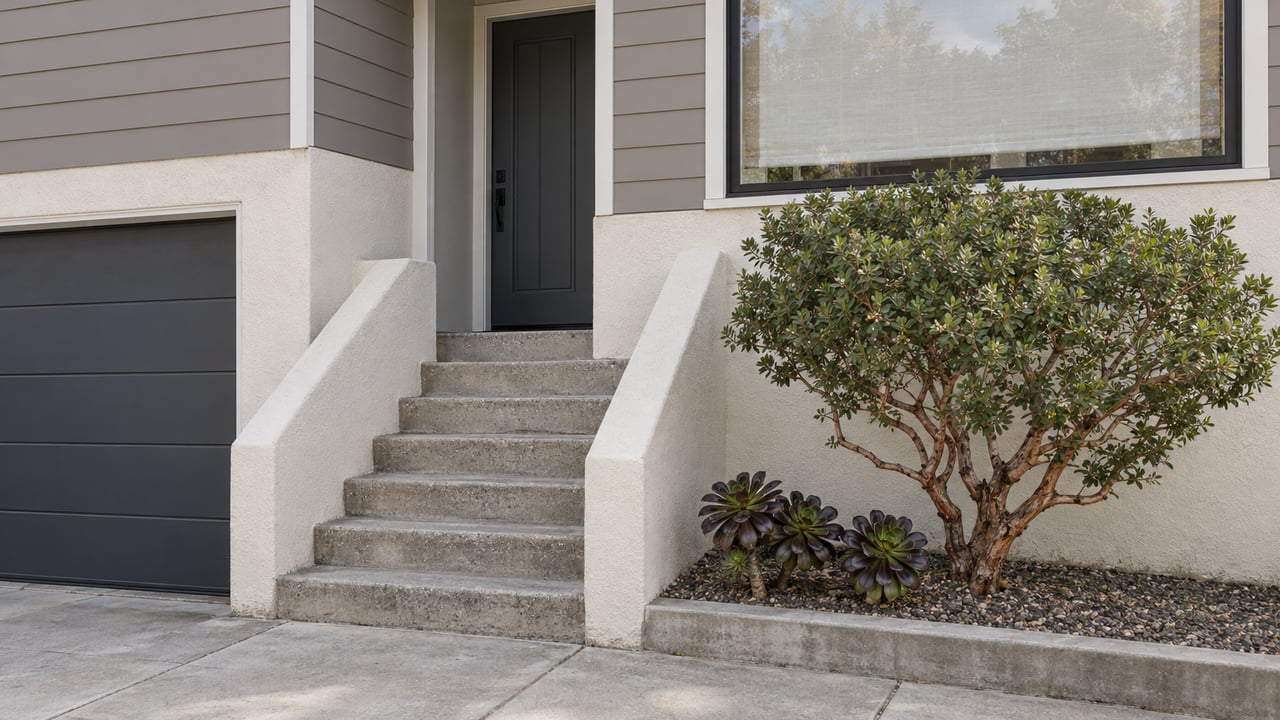
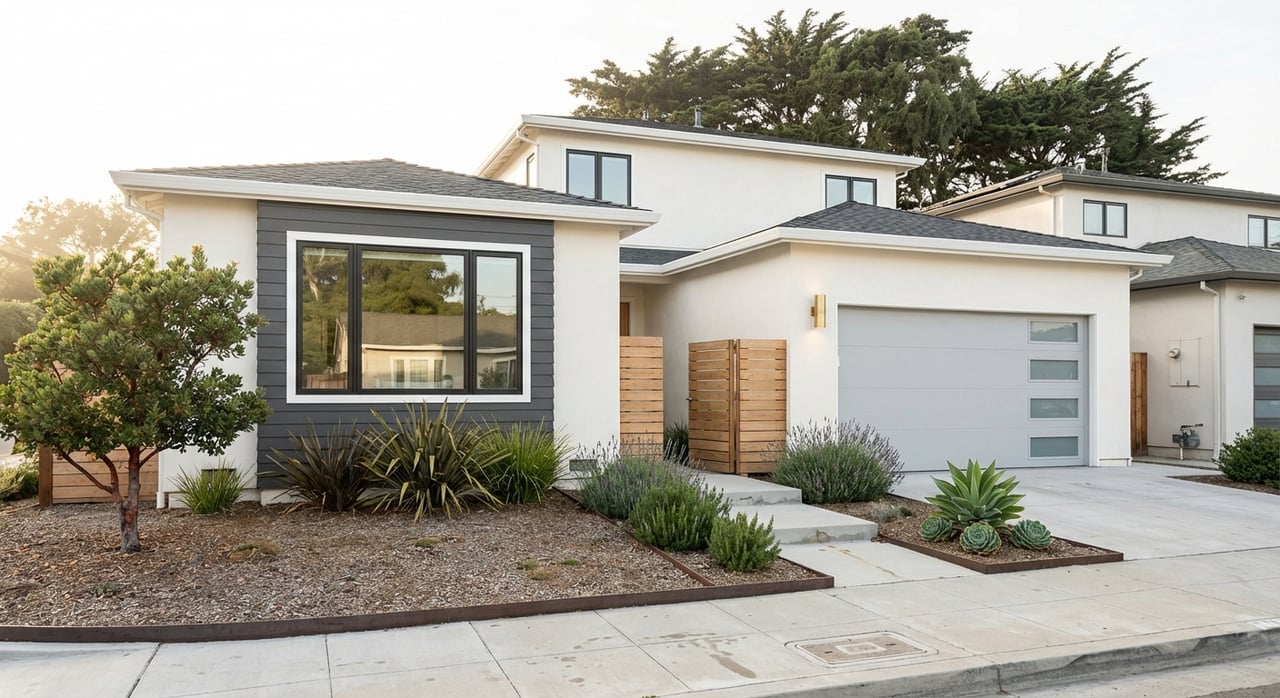
Much of the Sunset grew from tract and row housing between the 1920s and 1940s. Many homes sit on 25-foot-wide lots with tuck-under garages, a layout that shapes interior floor plans, parking convenience, and backyard depth. This classic pattern is a big reason families like the Sunset for simple garage access and predictable block rhythm (Sunset development history).
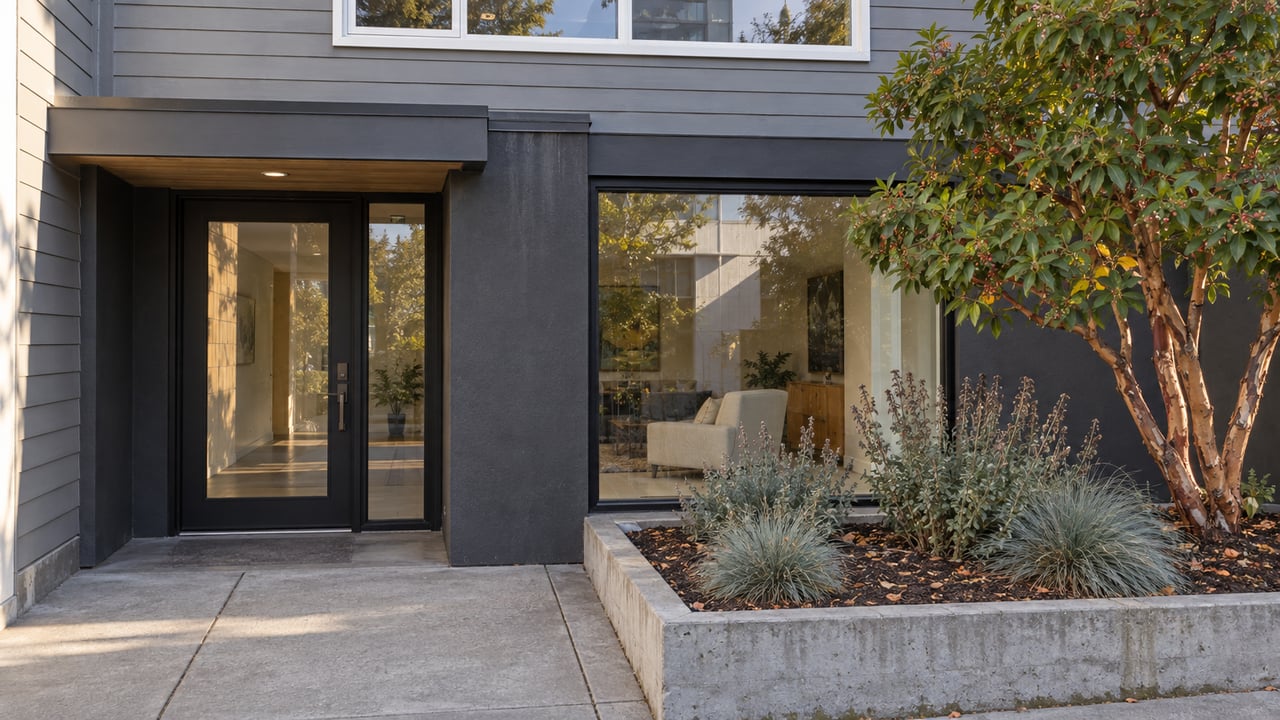
The Richmond showcases more variety, from Victorian and Edwardian homes near the Presidio and through the Inner Richmond to mid-century and later single-family and multi-unit buildings. Some pockets offer larger lots and different setbacks, which can mean more unique yard opportunities and character-driven façades (Richmond overview).
Foggier outer avenues can limit afternoon backyard use during summer and influence low-maintenance, cool-tolerant landscaping. Sunnier inner blocks or homes with south-facing yards can feel warmer and may command a premium for buyers focused on outdoor living and gardening. These small differences add up when you think about day-to-day playtime.
As of late 2025 and January 2026, neighborhood medians were hovering in a tight range: Inner Sunset around $1.75 million (Jan 2026), Outer Sunset near $1.56 million (Dec 2025), Inner Richmond about $1.7 million (Jan 2026), and Outer Richmond roughly $1.6 million (Jan 2026). These figures change month to month. Treat them as time-stamped indicators and verify the latest numbers with your agent and MLS right before you write an offer.
The Sunset benefits from the N-Judah Muni Metro, which offers a direct, one-seat ride into the city center and to the 4th & King Caltrain station. In the Richmond, the 38/38R Geary buses run frequent service to downtown, with ongoing transit priority improvements along the corridor. If you rely on transit, mapping your closest stop and transfer points can save time each school day (N-Judah route).
If one or both adults commute to the Peninsula, you’ll likely connect to Caltrain at 4th & King. Electrification has updated service patterns, so check current schedules. Typical train times from San Francisco to Redwood City often average about 35 to 45 minutes depending on express or local service. Trips to South San Francisco can be around 15 minutes from 4th & King on many schedules. Always verify with the live trip planner before you go (Caltrain planner).
Many Sunset homes include tuck-under garages, which makes on-lot parking common. The Richmond varies more by block and building type. Both districts are bikeable along the north-south avenues, with Golden Gate Park and the Great Highway offering flatter corridors. As always, choose routes that fit your comfort level and your kids’ ages.
Ready to compare homes, tour blocks at the right times, and set a plan that supports your long-term goals? Our team pairs neighborhood insight with data and design-forward strategy to help you buy well and build generational wealth. Connect with Next Gen Properties for a complimentary home strategy session. We offer multilingual service in English, Mandarin, and Cantonese.
Stay up to date on the latest real estate trends.