San Francisco Microclimates and Real Estate in Sunset & Richmond
November 21, 2025
November 21, 2025
Same city, different weather every few blocks. If you are home shopping in the Sunset or Richmond, you already know the westside has its own rhythm of fog, wind, and surprise sun. You want a home that feels comfortable year-round, holds up to the elements, and supports your family’s daily routine. In this guide, you’ll learn how microclimates shape comfort, inspections, maintenance, and energy choices, with practical tips for tours and negotiations. Let’s dive in.
San Francisco’s coastal position brings in a marine layer of fog driven by prevailing westerly and northwesterly winds. Local topography, Ocean Beach, and Golden Gate Park shape that air as it moves across the westside. The result is real climate change over very short distances.
For buyers, this matters for comfort inside the home, the wear and tear on exterior materials, yard usability, and long-term energy planning.
Westside summers are cool, so most homes do not rely on central air conditioning. Many families use passive strategies or small spot-cooling solutions on warmer afternoons in the Inner Sunset or Inner Richmond. Because winters are mild, right-sized heat pumps are a smart option for efficient heating and light cooling in this climate.
If you are considering a heat pump, proper sizing and good air distribution matter. Homes in foggier areas often need less capacity but benefit from dehumidification to keep interiors dry and comfortable.
Coastal fog and persistent dampness can increase the risk of surface condensation, mold, and wood rot where ventilation or insulation is weak. During inspections, ask about attic ventilation, vapor barriers, and bathroom and kitchen exhaust performance. Look for signs of moisture staining, musty odors, and window condensation history.
Prevention starts with managing moisture at the source. Effective exhaust, adequate attic insulation and ventilation, and proper drainage around the foundation go a long way toward keeping interiors healthy.
Marine air can shorten exterior paint cycles and speed up corrosion of metal fixtures. Homes near the ocean often need more frequent repainting and careful attention to caulking and flashing. Materials that perform well include fiber-cement siding, stainless or hot-dipped galvanized fasteners, and high-quality exterior paint systems.
Roofs can see reduced lifespan in windy, salty conditions. Plan for annual roof and gutter inspections, and make sure metalwork at the roof, decks, and railings is corrosion-resistant.
Fog reduces direct solar exposure, so homes in the Outer Sunset and Outer Richmond may generate less solar power than similar roofs in sunnier pockets. Roof orientation and pitch still matter. South-facing, unobstructed roofs perform best, but you should set expectations to match local fog patterns.
If solar pencils out, consider pairing it with battery storage to improve onsite use. Always get site-specific estimates that account for shading and local fog frequency before you commit.
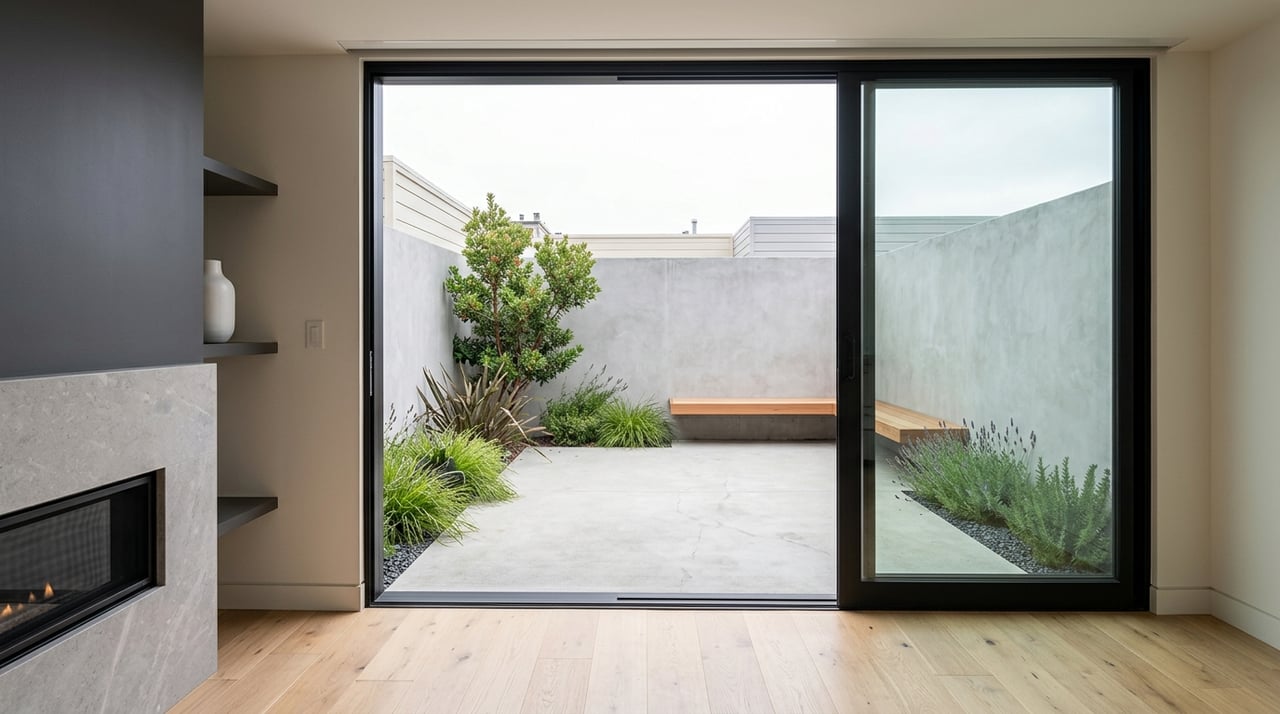
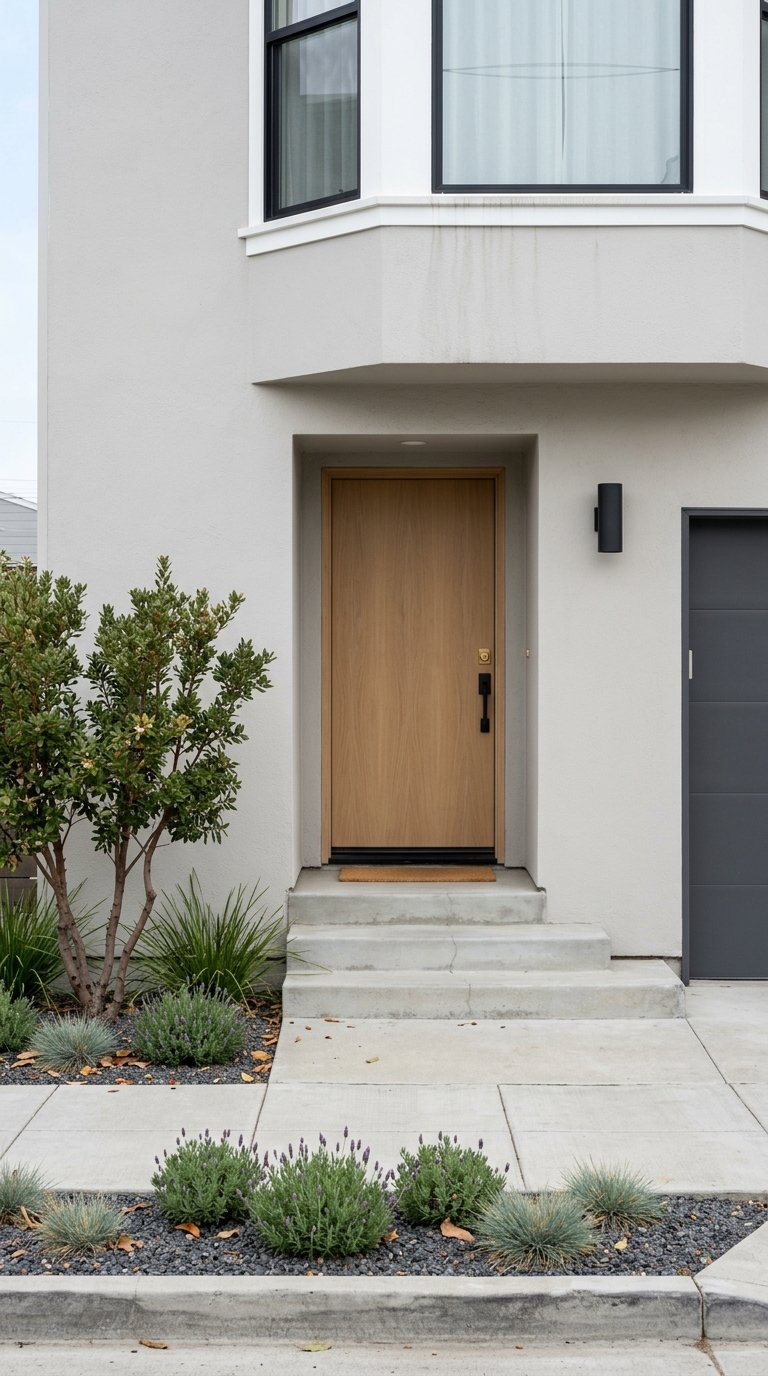
Wind and salt spray can stress plants and limit yard comfort. Hardy, salt-tolerant species and simple windbreaks such as fences, hedges, or trees can help. South- or east-facing yards feel warmer and are prized by families who want regular outdoor play. A sunny courtyard or protected patio can be a real quality-of-life upgrade on the westside.
The Inner Sunset sits just east of Golden Gate Park, which helps buffer fog and wind. You will often find warmer afternoons and more sun for gardens and yard play. Moisture management still matters, but persistent dampness is generally less intense than on the outer blocks.
The Outer Sunset, closest to Ocean Beach, is typically the foggiest and windiest. These homes often need stronger weatherproofing, more frequent painting, and corrosion-resistant materials. Outdoor areas can feel cool, but beach access and open space are big draws if you love the coast.
The Inner Richmond is varied. Blocks east of Park Presidio and near Arguello can feel milder, while areas closer to the Presidio and Baker Beach can be cooler and windier. You will find an urban feel with active corridors, plus pockets with better solar access depending on block orientation and sheltering.
Parts of the Outer Richmond, especially near the coast, see a stronger marine influence. That said, small hills, park edges, and south-facing exposure can create surprising sunny pockets. If yard time is a priority, focus on protected interior blocks and homes with favorable orientation.
Choosing between the Inner Sunset, Outer Sunset, Inner Richmond, and Outer Richmond comes down to how you live. If you want warmer yard time and easier solar, look for sheltered blocks with south-facing outdoor space. If you love the beach and cool air, plan for materials and maintenance that stand up to salt and wind. In every case, a targeted inspection and a clear upgrade plan protect your comfort and your budget.
Our team helps you read the microclimate cues, compare homes block by block, and plan the right improvements from day one. We serve clients in English, Mandarin, and Cantonese, and we focus on long-term value so your home supports your family today and builds wealth over time. Ready to zero in on the right home and make a confident offer? Connect with Next Gen Properties to book a complimentary home strategy session.
Stay up to date on the latest real estate trends.