Sunset vs Richmond Neighborhoods: How to Choose
June 18, 2026
June 18, 2026
Trying to choose between the Sunset and the Richmond? You are not alone. These two west-side San Francisco districts often land on the same shortlist because both offer a quieter residential feel while keeping you in the city. If you are weighing lifestyle, transit, home styles, and price, this guide will help you compare the tradeoffs with more confidence. Let’s dive in.
The Sunset and the Richmond are the two west-side districts many buyers consider when they want more breathing room than denser parts of San Francisco. Both offer strong access to parks, established housing stock, and neighborhood commercial corridors that support daily life.
That said, they do not feel the same once you start looking block by block. Current planning work shows the Sunset organized around Irving, Judah, Taraval, and Noriega, while the Richmond centers more on Clement, Geary, and Balboa. In practice, that often makes the Richmond feel more corridor-driven, while the Sunset feels like a broader residential area with several local nodes.
If you want a simple rule of thumb, the Sunset often appeals to buyers who want ocean access, a more uniform tract-house feel, and west-side rail and bus connections. The Richmond often fits buyers who want direct bus routes toward Downtown, more varied building types, and easier access to Golden Gate Park, the Presidio, and Lands End.
Neither is better across the board. The right choice depends on how you live day to day, what type of home you want, and which tradeoffs matter most to you.
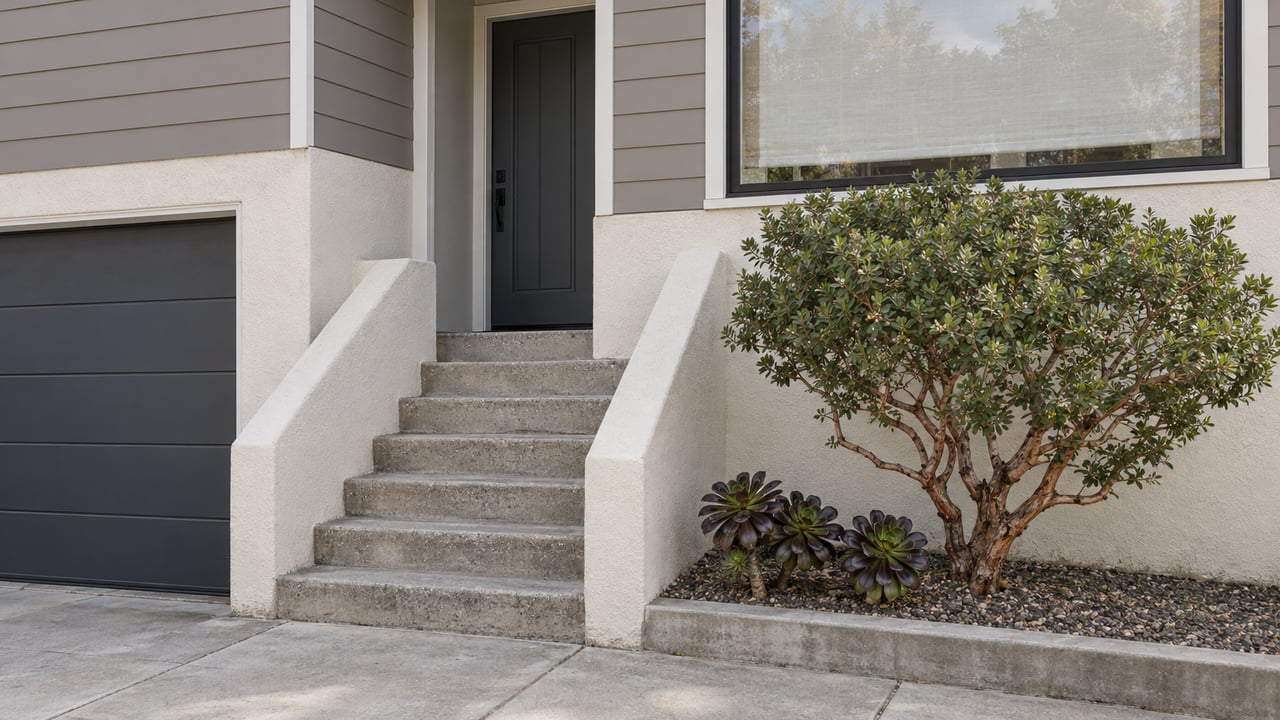
Much of the Sunset housing stock is defined by 1925 to 1950 tract houses. San Francisco Planning notes that the Tunnel Entry form became standard by 1940, and common architectural styles include Mediterranean Revival, Colonial Revival, Minimal Traditional, French Provincial, and Streamline Moderne.
For many buyers, that translates into a more consistent street rhythm and a familiar west-side house profile. You may still find variation, including distinctive historic pockets, but the overall feel is more uniform than in the Richmond.
The Richmond has a more mixed architectural fabric. Planning materials describe several hundred pre-1906 and immediate post-quake cottages, along with rows of Edwardian-era flats and single-family homes extending toward the Presidio and Golden Gate Park.
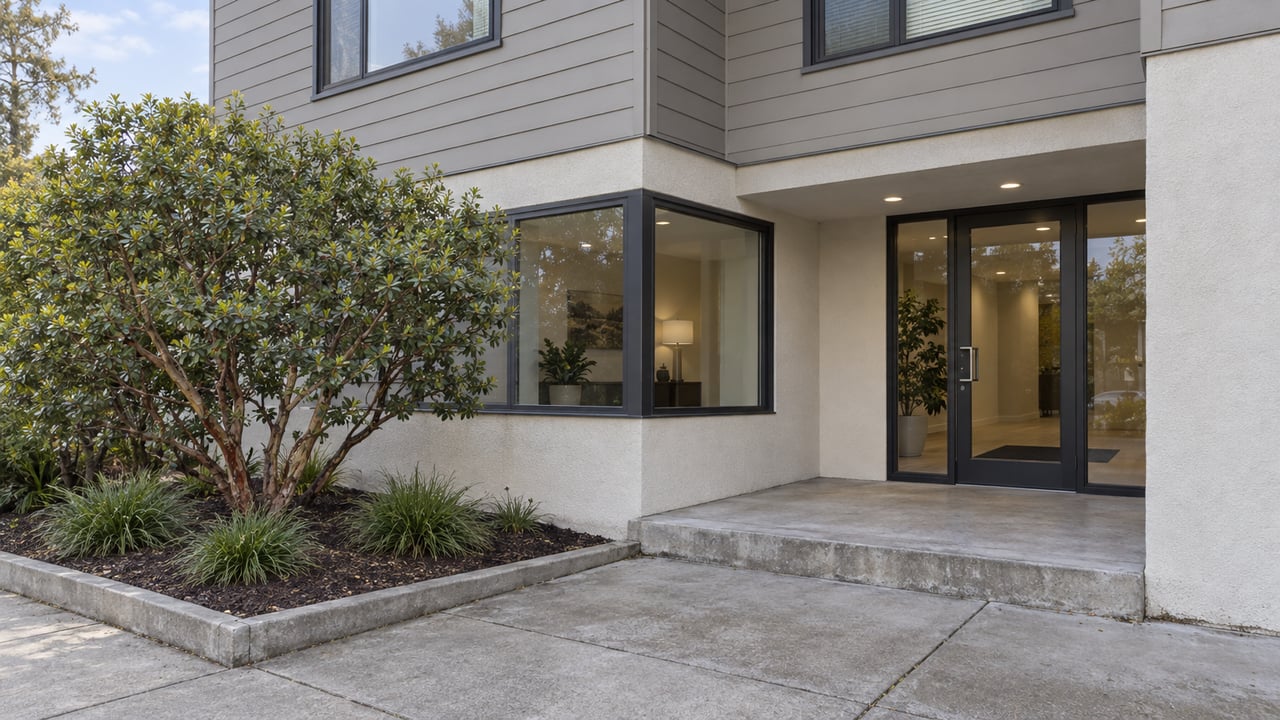
Apartment buildings are also more common in the Richmond’s overall mix, especially on corners. If you want more variety in building type, layout, or block character, the Richmond may give you more to compare.
Inner Sunset is the most transit-embedded part of the Sunset. It stretches from Arguello Boulevard to 19th Avenue, borders Golden Gate Park, and sits next to UCSF, which shapes the area’s daily rhythm and convenience.
Outer Sunset is the district’s most ocean-facing section. Ocean Beach runs along San Francisco’s western edge, and the National Park Service notes that the area is often foggy through late spring and summer. If coastal access matters to you, Outer Sunset can be compelling, but you should be comfortable with a cooler and windier microclimate.
Parkside is often grouped into the broader Sunset conversation, but it has its own identity. SF Heritage describes it as a distinct district near Stern Grove and Pine Lake Park with early speculative cottages and later Arts and Crafts and Period Revival homes.
For buyers, Parkside can feel quieter and more tucked away, with Taraval serving as an important commercial edge. It is worth considering if you want a residential setting that still connects to neighborhood services.
Inner Richmond is one of the Richmond’s most corridor-connected sections. It is served by a wide range of transit lines, and planning survey work found Inner Clement to be the most frequently visited commercial corridor in the district.
Outer Richmond has more of an edge-of-city feel, but it remains well connected by transit. It also places you close to the Presidio, Lands End, and Ocean Beach, which can be a major draw if outdoor access is high on your list.
Sunset commuting is shaped by the N Judah, L Taraval, 28R 19th Avenue Rapid, and 29 Sunset. The N Judah runs from the coast through Irving, the Sunset Tunnel, and into downtown stations including Civic Center, Powell, Montgomery, and Embarcadero.
If you value rail access on the west side, that can be a real advantage. The 28R and 29 also improve north-south and cross-west-side connections, including links to Daly City BART and Balboa Park Muni Metro and BART.
The Richmond is more bus-centric, and many buyers see that as a plus. The 1 California connects the Outer Richmond with Downtown, while the 5R Fulton Rapid and 38 Geary and 38R Geary Rapid serve the Salesforce Transit Center.
Inner Richmond in particular has a wide grid of bus routes. If your commute or routine points more directly toward Downtown or other eastbound destinations, the Richmond may feel more straightforward.
Golden Gate Park is a major shared asset for both districts. It is one of San Francisco’s signature park spaces, and proximity to it can shape everything from weekend routines to how easily you get outside during the workweek.
The difference is what sits beyond the park edges. In the Sunset, Ocean Beach is a defining feature, especially in the outer blocks. In the Richmond, buyers often focus on access to Golden Gate Park, the Presidio, and Lands End together, which creates a different outdoor lifestyle mix.
In the Sunset, the key corridors to study are Irving, Judah, Taraval, and Noriega. Planning work for Sunset Forward is centered on those streets, including public space and streetscape improvements.
That pattern helps explain why the Sunset can feel more spread out. Instead of one single dominant spine, you get several neighborhood-serving corridors that support everyday errands, dining, and services.
In the Richmond, buyers usually compare Clement, Geary, and Balboa. Planning survey work found Inner Clement and Outer Geary to be the most frequently visited commercial areas.
This is one reason the Richmond often feels more main-street oriented. If you want a neighborhood where the commercial identity feels concentrated along a few major streets, the Richmond may stand out.
Current market data suggests both districts sit above San Francisco’s broader city median sale price of $1,409,417 as reported by Zillow for March 31, 2026. For west-side buyers, that is useful context, but neighborhood figures should be treated as directional rather than perfectly apples-to-apples because reporting windows and methodologies differ.
Here is the current snapshot from the research report:
| Area | Median Sale Price | Notes |
|---|---|---|
| Sunset District overall | $2.02M | 13 median days on market |
| Inner Sunset | $2.12M | 16 median days on market |
| Outer Sunset | $1.85M | 14 median days on market |
| Inner Richmond | $2.00M | 14 median days on market |
| Outer Richmond | $2.03M | Current median reported |
One important takeaway is that inner and outer labels do not always predict price. Inner Sunset currently reports above Outer Sunset, while Outer Richmond is slightly above Inner Richmond. That suggests condition, parking, lot size, and block-level appeal can matter just as much as the district label.
When you tour these neighborhoods, try not to judge them by one showing or one block. Instead, compare them at the times you would actually use them, such as a weekday morning, an evening errand run, and a weekend walk.
Pay attention to the parts of daily life that listings do not always show clearly. Notice transit stops, block exposure, commercial rhythm, fog and wind, garage access, and how the housing stock changes from one pocket to the next. In west-side San Francisco, those details can shape your long-term satisfaction as much as square footage.
If you are deciding between the Sunset and the Richmond, working with a team that understands San Francisco micro-markets can help you compare beyond the headline numbers. Next Gen Properties offers thoughtful, data-informed guidance for buyers across San Francisco, with multilingual support in English, Mandarin, and Cantonese to help you move forward with clarity.
Stay up to date on the latest real estate trends.