Smart Pre-Sale Renovation Planning In The Mission District
June 11, 2026
June 11, 2026
If you are thinking about selling in the Mission District, timing your renovation plan can matter almost as much as the renovation itself. In a fast-moving market, buyers often make decisions quickly, and they notice condition right away. A smart pre-sale plan helps you focus your budget where it is most likely to improve presentation, reduce friction, and support a stronger launch. Let’s dive in.
The Mission District is one of San Francisco’s most competitive housing markets. In March 2026, the median sale price was $1.175 million, median days on market were 33, and the average sale price was about 15% above list.
Nearby Mission-area submarkets also show strong seller conditions. Outer Mission posted a median sale price of $1.153 million with 30 median days on market, while Mission Terrace reached $1.41 million with 14 median days on market. In practical terms, that means most sellers do better by finishing key work before listing rather than trying to fix presentation issues later.
San Francisco’s 2024 Cost vs Value data points to a simple pattern. Smaller, visible improvements tend to deliver stronger modeled returns than large, expensive projects with highly personal design choices.
Citywide, the strongest recoupment rates were tied to projects like garage door replacement, manufactured stone veneer, steel entry door replacement, and minor kitchen remodels. Midrange bath remodels and deck additions also performed better than many major additions. By contrast, larger projects like upscale bath remodels, major kitchen remodels, and primary-suite additions recovered less of their cost.
A useful way to think about this is in three bands:
For most sellers, that means you do not need to renovate everything. You need to improve the parts of the home buyers will judge fastest.
Not every Mission District property needs the same pre-sale plan. Your ideal scope should match the building type, the likely buyer expectations, and how much time you have before launch.
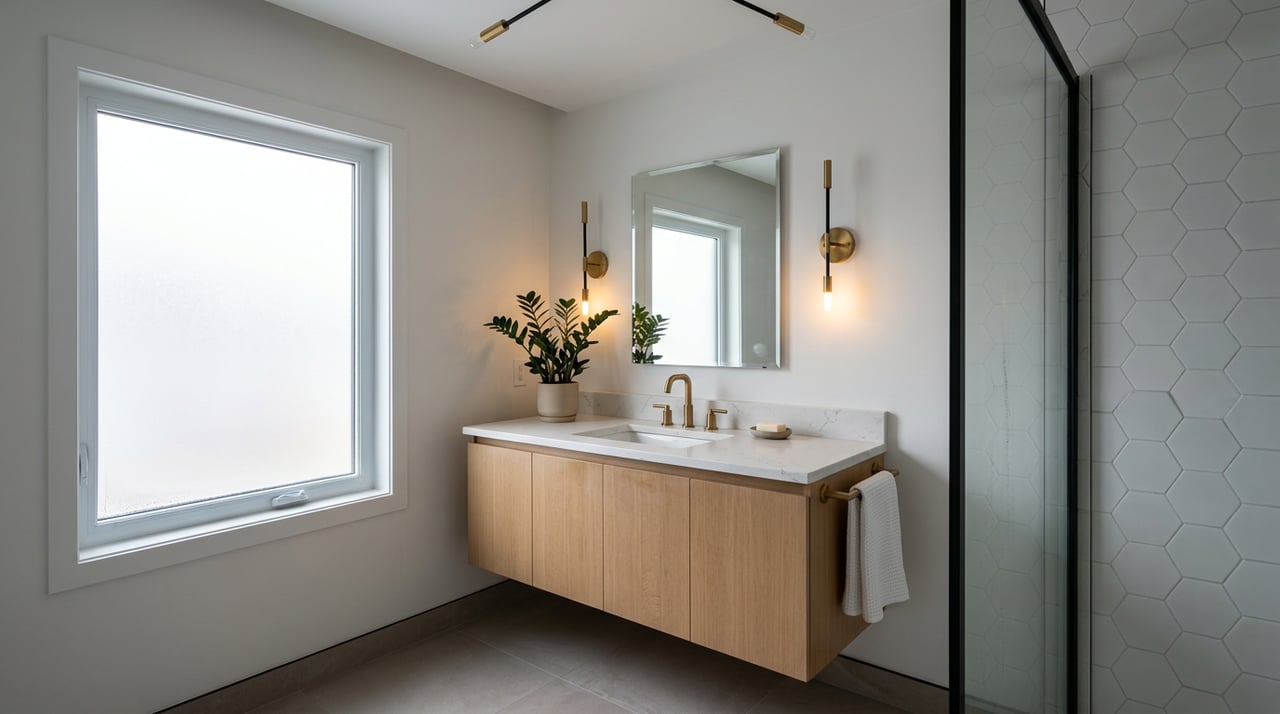
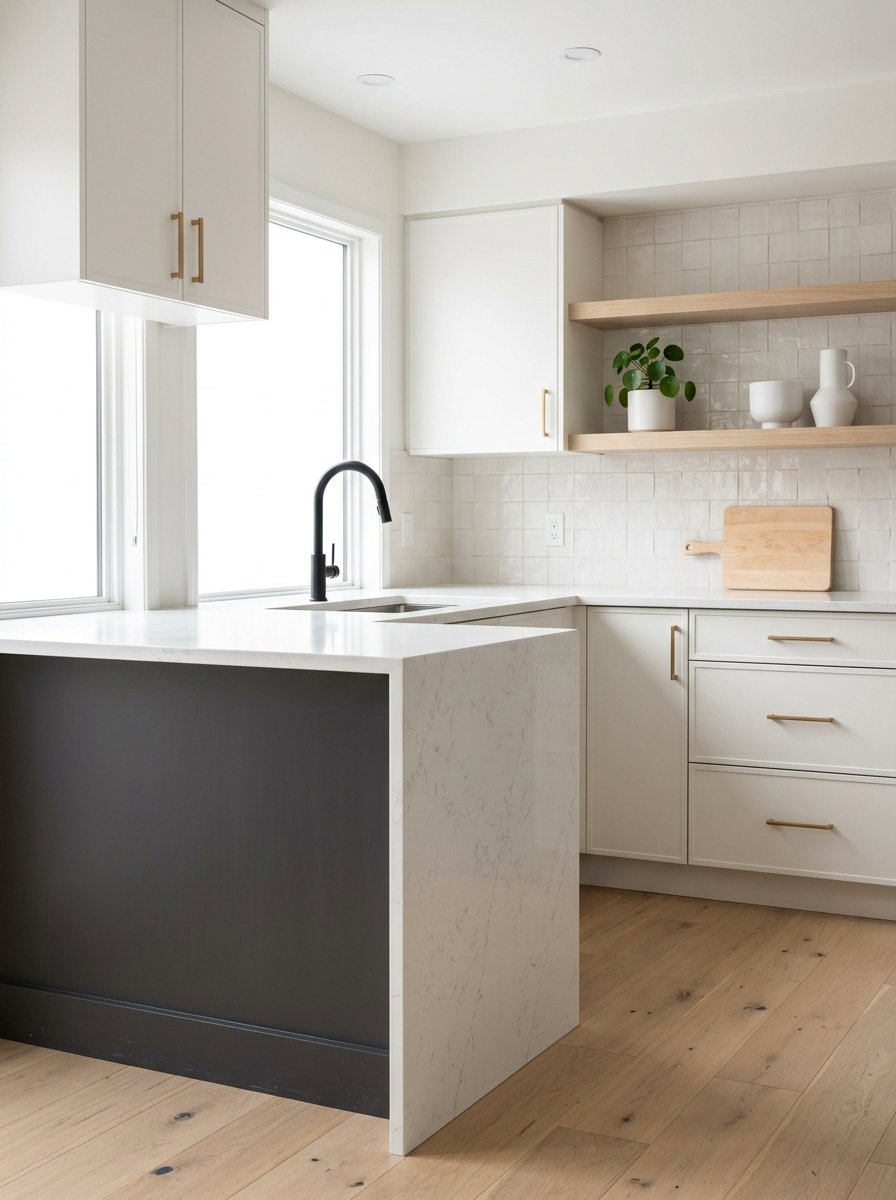
For smaller homes, the best play is often a restrained refresh. Paint, lighting, flooring touch-ups, a modest kitchen update, a simple bath refresh, and strong staging can go a long way.
That approach lines up with San Francisco’s return data, where minor kitchen and midrange bath projects perform much better than large additions. It is not a guarantee of a specific outcome, but it is a practical way to allocate budget.
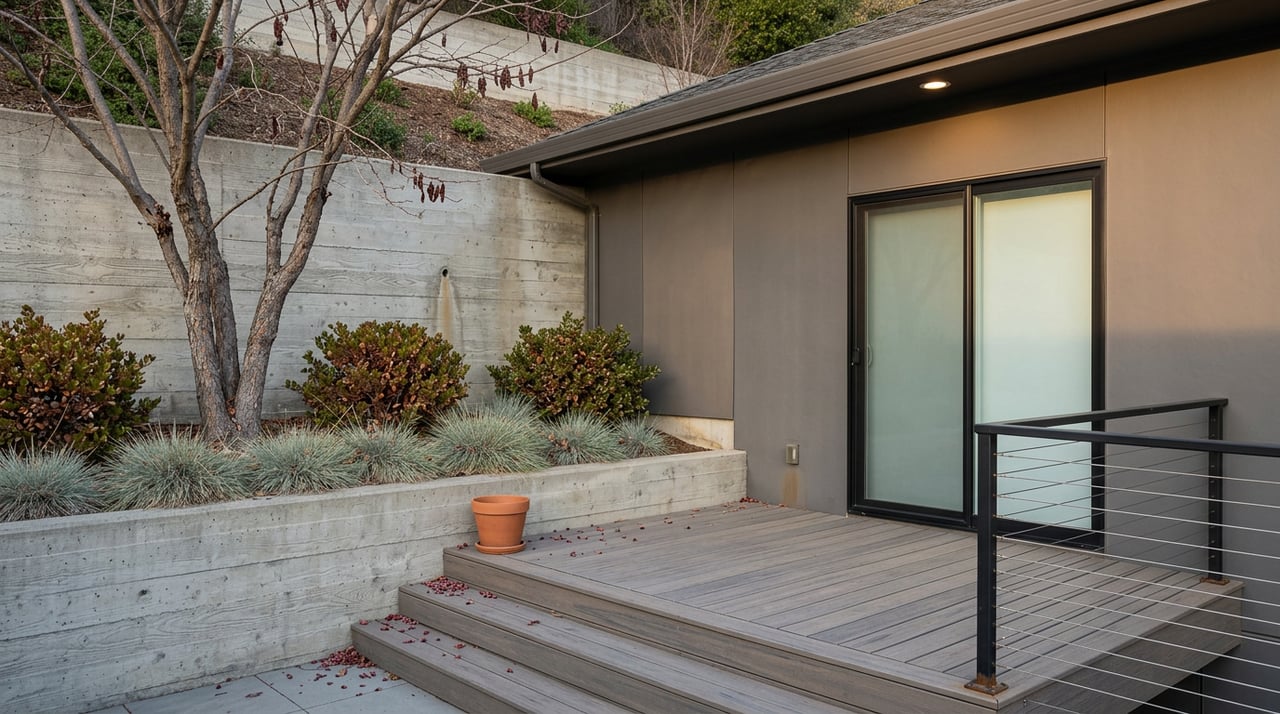
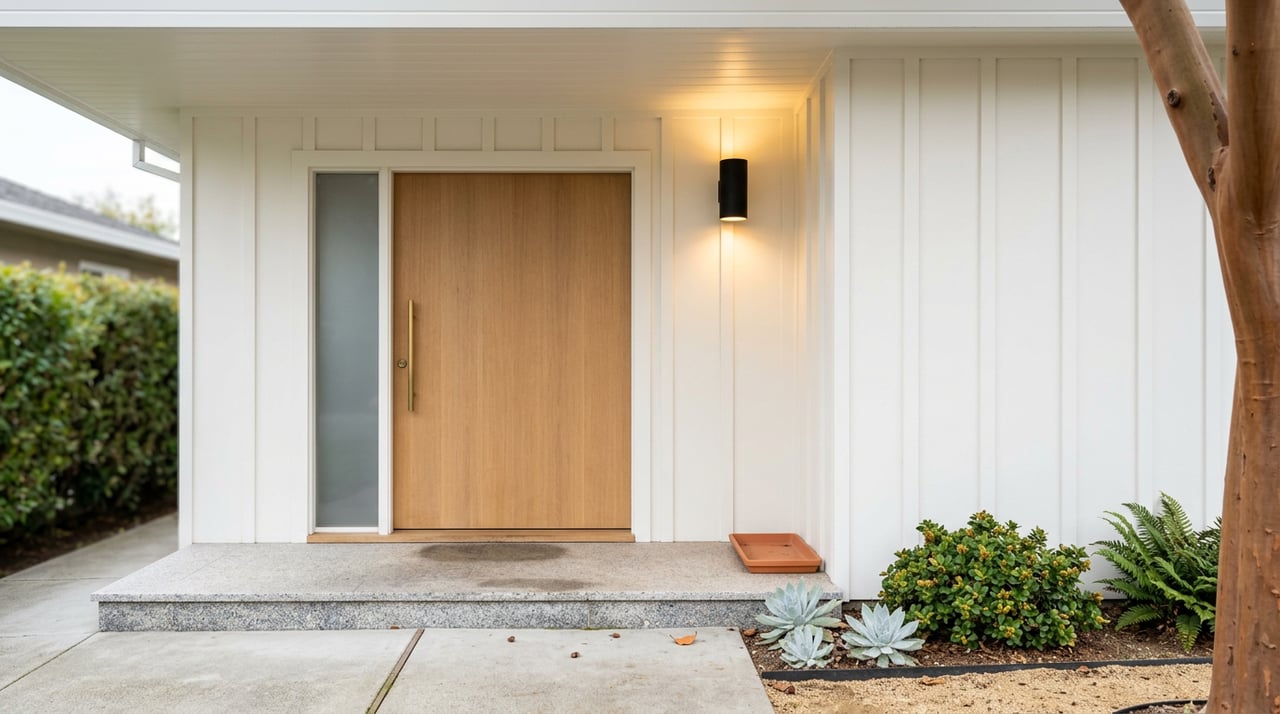
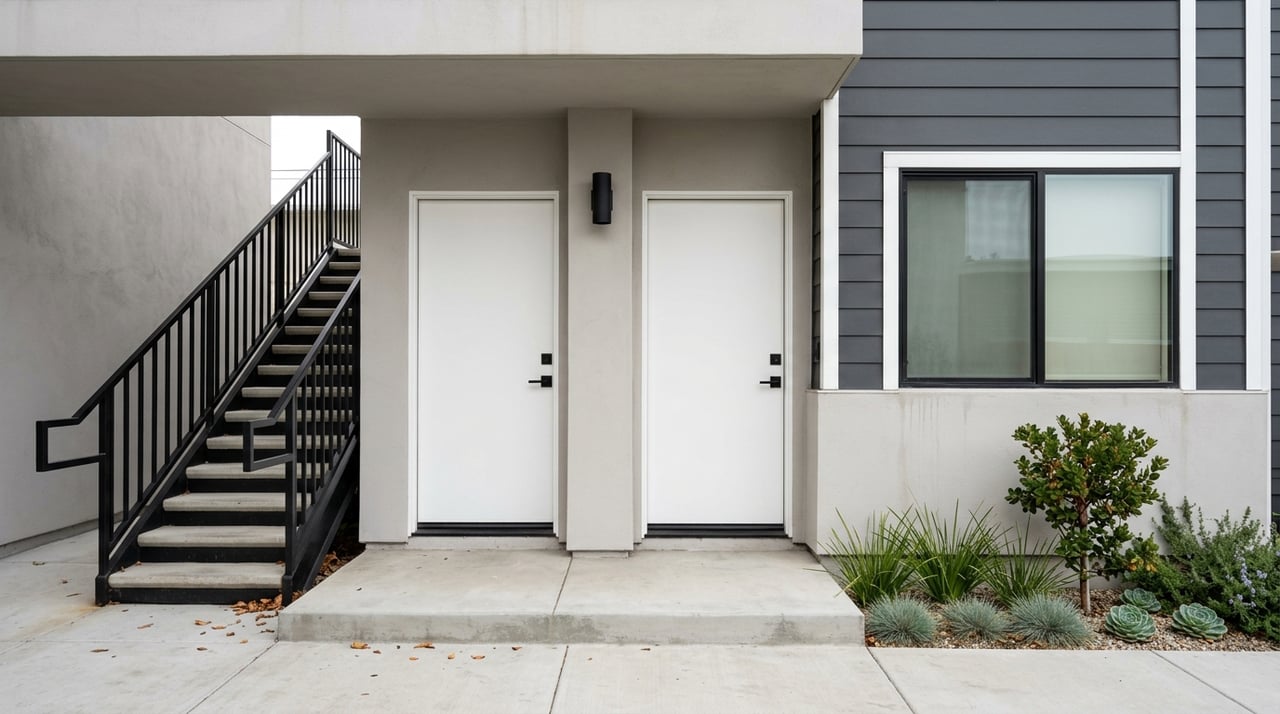
For larger homes, curb appeal and front-of-house presentation deserve extra attention. Entry hardware, doors, siding, windows, and selective kitchen or bath improvements often support the strongest visual payoff.
This matters because exterior-first projects rank well in San Francisco’s cost-recapture data. National remodeling survey data also shows that painting and roofing are among the most commonly recommended pre-sale updates.
For small multifamily or mixed-use residential properties, buyers often focus on visible condition and obvious maintenance issues right away. Code-safe systems, clean common areas, and updated finishes in the most dated spaces usually matter more than luxury upgrades.
In this category, it helps to think like a buyer walking the property for the first time. If something looks neglected or uncertain, it can create hesitation even in a strong market.
Before you choose materials or call contractors, pull the property records. In San Francisco, owners and realtors can request a Report of Residential Building Record, also called the 3R report.
The city says the 3R report costs $286 per residential building on a lot, is legally required to be delivered to the buyer, and is typically issued in seven to ten business days. It includes building permit history, though it does not include plumbing, electrical, or commercial permits.
That detail matters. If you are planning pre-sale work, the 3R report can help you spot open questions early instead of discovering them in escrow.
The Mission Area includes housing stock dating back to the 1870s and 1880s, along with historic landmarks and districts. Because of that, some sellers need to think about resale presentation and preservation review at the same time.
If your property has historic status or falls into a category that triggers additional review, exterior changes may require extra planning. San Francisco notes that when a property is category B, changes to the front façade may trigger Historic Resource Review as part of environmental review.
That does not mean every Mission property faces a long approval process. It does mean you should confirm the planning context before making assumptions about windows, doors, siding, or façade changes.
For many smaller interior projects, San Francisco uses over-the-counter permit review. The city says most interior residential remodels can be reviewed this way, simple projects can be reviewed within one hour, and submitting an over-the-counter permit in person typically takes 2 to 8 hours.
There are also over-the-counter pathways for some exterior residential projects, including doors, windows, reroofing, decks, and fences. If your project does not qualify, it moves to in-house review, which usually means more lead time.
This is one reason smart sellers keep the scope focused. A tight, well-chosen renovation plan is often easier to complete on schedule than a broad remodel that triggers more review.
If you are considering larger permitted work, there is another timing issue to keep in mind. San Francisco’s all-electric rules say that for permits filed on or after July 1, 2026, some major renovation projects must be all-electric, with no gas piping systems or infrastructure.
That can affect decisions around furnaces, water heaters, cooking, and other systems. If your project may cross into major permitted work, it is wise to factor this into your planning from the start.
The biggest mistake many sellers make is spending too much in the wrong places. In the Mission District, a smart budget usually starts with the shortest list of improvements that can change buyer perception quickly.
A practical way to organize your budget is:
This approach helps you protect your net proceeds. It also keeps your project aligned with the return pattern seen in San Francisco’s remodeling data.
Some sellers want to improve the home but do not want a large cash outlay before listing. The main homeowner financing tools mentioned in the research are home equity loans, HELOCs, cash-out refinance, and in some situations HUD renovation mortgage programs.
For homeowners planning to sell soon, a HELOC or home equity loan is often the more practical fit. CFPB explains that a HELOC allows repeated draws against home equity and usually carries a variable rate, while a home equity loan is a lump-sum second mortgage. CFPB also notes that cash-out refinance can be used for home repairs.
NAR’s 2025 Remodeling Impact Report found that 54% of consumers used a home equity loan or HELOC to pay for remodeling. That supports what many Bay Area sellers already know: equity-based funding is a common way to prepare a home for market.
For sellers who want a smoother process, NEXTGEN Properties also offers financed pre-sale renovations as part of its seller services. That can help reduce friction while keeping your launch plan focused on value and timing.
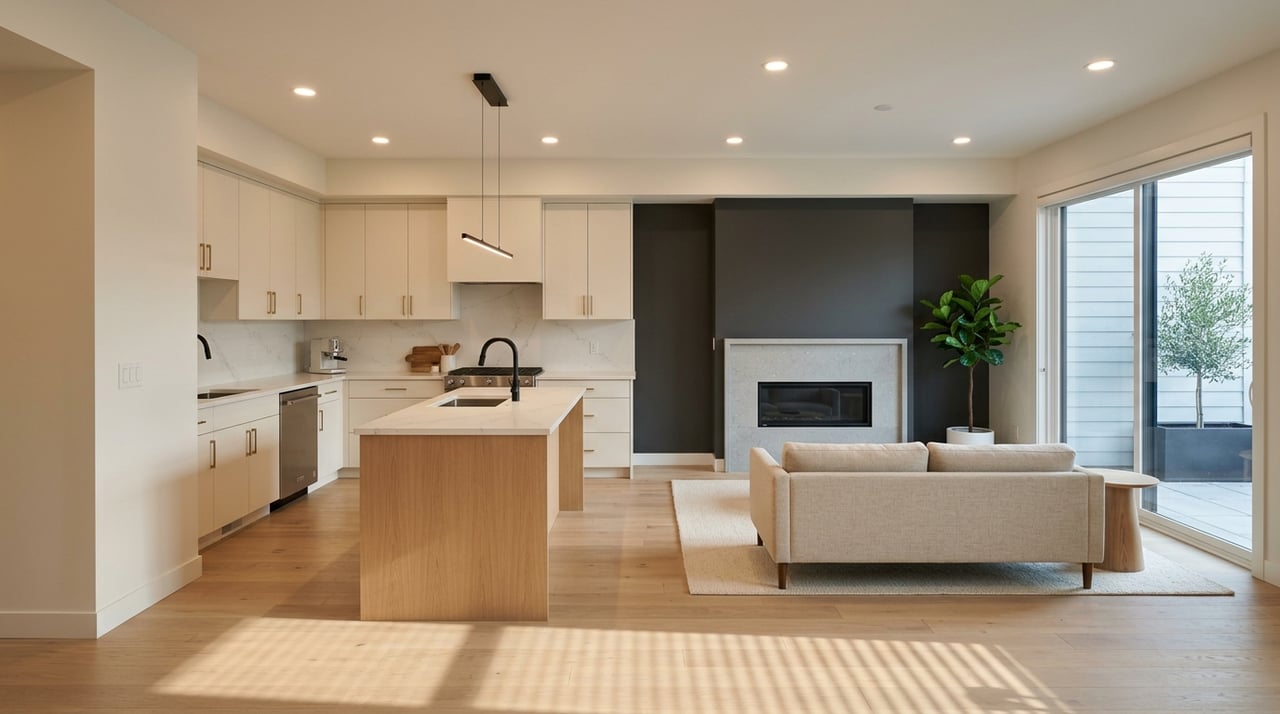
Renovation does not create the full return on its own. Once the work is done, staging helps buyers understand the home’s scale, flow, and potential.
According to NAR’s 2025 Profile of Home Staging, 83% of buyers’ agents said staging made it easier for buyers to visualize the property as a future home. The same report found that 29% of sellers’ agents said staging produced a 1% to 10% increase in the dollar value offered, and staged homes often sold faster.
The most commonly staged rooms were the living room, primary bedroom, dining room, and kitchen. If your budget is limited, those are often the best places to start.
The most effective pre-sale planning usually begins earlier than sellers expect. Because only 37% of remodeling projects in NAR’s survey finished in the same time frame owners expected, and 31% took longer, building in extra time is a smart move.
A practical sequence for Mission District sellers looks like this:
In a neighborhood where homes can move quickly, the goal is not to renovate for renovation’s sake. The goal is to make smart, market-aware decisions that improve how your property shows, reduce surprises, and support a confident listing debut.
If you are weighing what to fix, what to skip, and how to time it all, Next Gen Properties can help you build a design-forward, data-informed pre-sale plan that fits your property, your timeline, and your goals.
Stay up to date on the latest real estate trends.