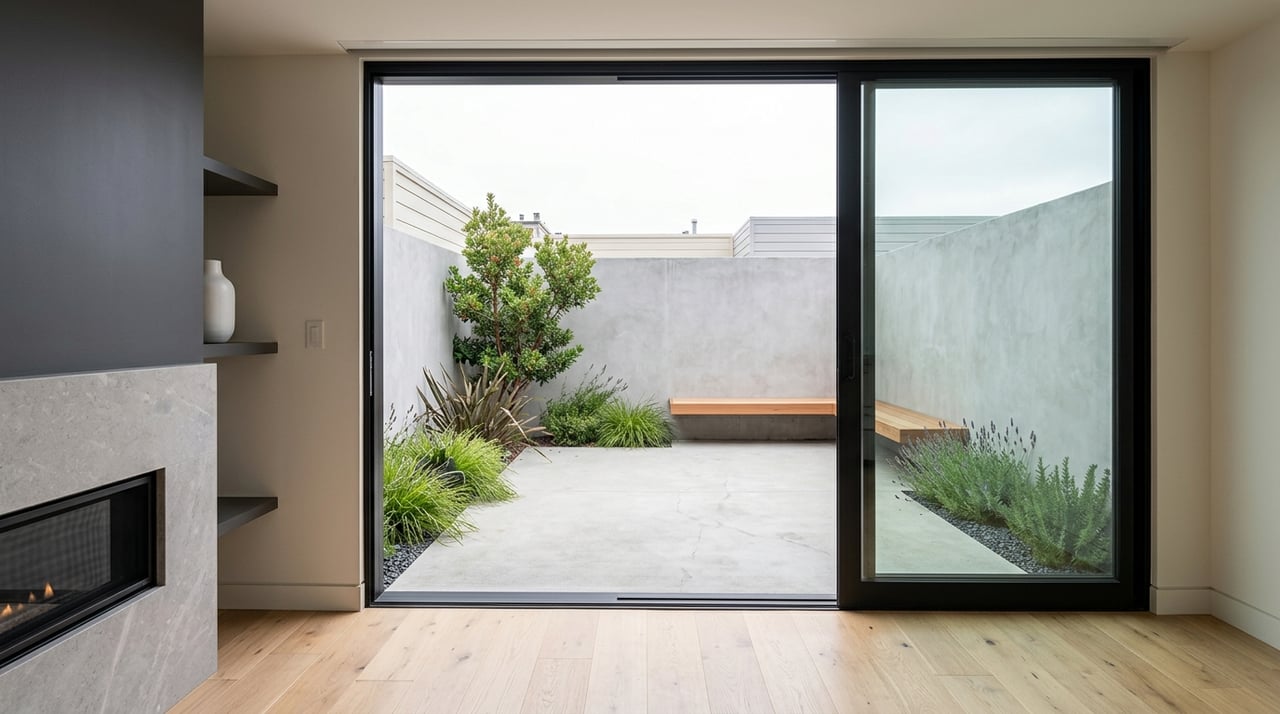
Your Guide to Sunset and Richmond Westside Living
June 25, 2026
June 25, 2026
If your ideal San Francisco weekend starts with ocean air, a long park walk, and a great coffee instead of a packed nightlife scene, the city’s westside may feel like a natural fit. The Sunset and Richmond offer a distinct day-to-day rhythm shaped by the coast, major parks, and a handful of active commercial corridors. If you are thinking about moving, buying, or simply getting to know the area better, this guide will help you understand how westside life really works. Let’s dive in.
San Francisco’s westside is defined by a different pace than many other parts of the city. The Sunset is the city’s largest neighborhood, with a residential fabric that SF Planning describes as mostly 1925 to 1950 tract housing, including tightly packed single-family homes with integrated garages on small lots. That gives many blocks a consistent look and a practical, neighborhood-focused feel.
The Richmond sits just north of Golden Gate Park and stretches toward the Pacific as well, but it offers a somewhat different housing and street pattern. SF Planning notes more housing variety and a broader mix of rental and for-sale options there, while SF Travel describes the area as moving at a slower pace. For many buyers and renters, that difference shapes the feel of daily life just as much as price or square footage.
Ocean Beach is one of the biggest reasons people are drawn to the westside. It gives both the Sunset and Richmond direct access to a dramatic Pacific backdrop that feels open, local, and refreshingly removed from the city’s busier core. That said, living near the beach here is not the same as living near a warm-weather coast.
According to the National Park Service, Ocean Beach is often cool and gray, with fog common in late spring and summer. The sunniest months are usually September and October. NPS also warns that swimming and even wading can be dangerous because of frigid water and strong rip currents.
That weather pattern matters if you are picturing daily beach time. On the westside, beach access is very real, but beach use is often more about walking, views, and fresh air than sunbathing or swimming. For many residents, that is exactly the appeal.
One of the biggest recent changes on the westside is Sunset Dunes. SF Rec & Park says this 2-mile, 50-acre oceanfront park opened on April 12, 2025 and includes places to walk, bike, skate, exercise, relax, and take in coastal views. The department also reported more than 1.7 million visits in its first year.
That level of activity says a lot about how people are using the coast today. Sunset Dunes is not just a scenic edge of the city. It now functions as a major outdoor destination that supports regular daily use, from exercise routines to casual meetups and weekend outings.
SF.gov also notes that dozens of shops, cafes, and restaurants sit around the new park. That connection between recreation and nearby small business is a big part of what makes the westside appealing. You can move from a walk or bike ride to a coffee stop or meal without needing a full day plan.
If Ocean Beach gives the westside its edge, Golden Gate Park gives it its center. SF Rec & Park describes Golden Gate Park as a 1,017-acre park bordered by both the Richmond and Sunset. It also estimates that the park draws about 24 million visitors each year.
For everyday living, that scale matters. Golden Gate Park offers space for walking, biking, relaxing, and visiting well-known destinations like the de Young Museum, California Academy of Sciences, and Japanese Tea Garden. It also includes gardens, groves, and car-free roads that support repeat visits rather than one-time tourism.
Access is another advantage. Rec & Park notes that the park can be reached by public transit, shuttle, bike routes, and car-free roads, which helps make it part of a weekly routine for many westside residents. If you value easy access to major open space, this is one of the strongest lifestyle features in the area.
Westside dining is less about one central downtown-style district and more about a network of neighborhood corridors. San Francisco officially identifies commercial districts in the Inner Sunset, along Irving, Taraval, Judah, and Noriega, and in the Richmond along Geary Boulevard, Clement, and Balboa. That structure helps explain why restaurants, bakeries, and cafes feel woven into daily neighborhood life.
In the Richmond, SF Travel highlights Clement, Geary, and Balboa as the main shopping and dining streets. The Inner Richmond Legacy Walk also points to bakeries, bookstores, coffee shops, and pizzerias as part of a normal route through the neighborhood. If you like running errands on foot and stopping for coffee or lunch along the way, that corridor setup can feel very convenient.
In the Sunset, Taraval is a key commercial corridor reaching toward the Pacific, with SF.gov describing strong retail and food options there. SFMTA’s Outer Sunset materials also call out cafes with artisanal coffee and pastries alongside eclectic restaurants. Rather than one single destination street, you get several practical, walkable pockets that support everyday routines.
The westside often lends itself to a simple, repeatable weekend flow. You might start with a park walk or coastline stroll, stop by a local cafe, run a few errands on a commercial corridor, and end with a casual meal nearby. That pattern fits the layout of the area and the amenities that city sources highlight.
The Inner Sunset adds another layer to that rhythm with its year-round Sunday farmers market at 1315 8th Avenue, between 8th and 9th off Irving Street, open from 9 a.m. to 1 p.m. For many households, that kind of weekly anchor helps turn the neighborhood from a place you live into a place you actively use.
If your ideal routine includes access to open space and neighborhood-serving businesses more than late-night activity, the westside has a clear identity. It is a lifestyle built around consistency and access, not just occasional destinations.
Both neighborhoods share proximity to the ocean and Golden Gate Park, but they can feel different once you look at housing and day-to-day movement. The Sunset often appeals to people looking for a more single-family, tract-house-oriented setting. SF Planning’s materials emphasize that long-established residential pattern and ongoing work around affordability, renter support, and homeownership opportunities.
The Richmond offers more housing variety and a broader mix of rental and for-sale options, according to SF Planning. Its commercial streets are also well established and widely recognized as neighborhood hubs. If you want flexibility in housing types, that may shape your search.
Here is a simple way to think about it:
| Feature | Sunset | Richmond |
|---|---|---|
| Housing pattern | Mostly 1925 to 1950 single-family tract housing | More housing variety and mix of rentals and for-sale homes |
| Coastal feel | Strong connection to Ocean Beach and Sunset Dunes | Strong connection to Ocean Beach and north side of park |
| Commercial rhythm | Irving, Taraval, Judah, Noriega | Clement, Geary, Balboa |
| Lifestyle impression | Residential grid with practical neighborhood corridors | Slower pace with varied housing and active retail streets |
A common assumption is that the westside is only practical if you drive everywhere. SFMTA route information shows that is not the case. The Outer Sunset is served by lines including L Taraval, T-Third, N Judah, 7 Haight/Noriega, and 18 46th Avenue.
The Inner Sunset has its own broad transit access, including N Judah, L Taraval, 7 Haight/Noriega, 29 Sunset, and 31 Balboa, among others. That does not mean every trip is fast or direct, but it does mean the westside is connected in more ways than many people expect.
When you are comparing homes or blocks, transit access should be part of the conversation alongside housing type, weather, and proximity to corridors. On the westside, your daily routine often depends on how those pieces fit together.
If you are buying on the westside, one of the biggest questions is how you want to balance beach exposure, park access, commercial corridors, and transit. The answer may point you toward a more residential Sunset block or a Richmond location with broader housing options and established retail streets nearby. This is often less about choosing the “better” neighborhood and more about choosing the routine that fits you best.
If you are selling, westside lifestyle is a major part of the story. Buyers are not just evaluating the home itself. They are also thinking about how close they are to Ocean Beach, Golden Gate Park, cafes, neighborhood corridors, and transit lines. Clear positioning around those everyday advantages can help your home stand out.
For owners thinking about timing or presentation, the westside especially benefits from thoughtful marketing that connects the property to the surrounding lifestyle. That can include showing how the home fits into a walkable weekend routine, highlighting access to parks and corridors, and presenting the home in a clean, design-forward way that matches buyer expectations in these micro-markets.
The best way to think about San Francisco’s westside is as a repeatable loop of ocean, parks, markets, and neighborhood corridors. The weather may be cooler, the pace may be steadier, and the commercial areas may be more distributed, but for many people that is exactly the point. If you want a part of San Francisco that feels grounded in everyday use, the westside offers a lifestyle with real staying power.
If you are considering a move in the Sunset, Richmond, or nearby San Francisco neighborhoods, Next Gen Properties can help you evaluate the block-by-block lifestyle, housing options, and market strategy that fit your long-term goals.
Stay up to date on the latest real estate trends.